A Guide to Understanding the Role of a Mosque in the Community


The Foundation of a Mosque
In many communities around the world, the mosque serves as a cornerstone of faith and culture. A mosque is not only a place of worship but also a hub for community activities and social gatherings. Understanding the role of a mosque provides insight into its multifaceted contributions to society.
Religious Functions
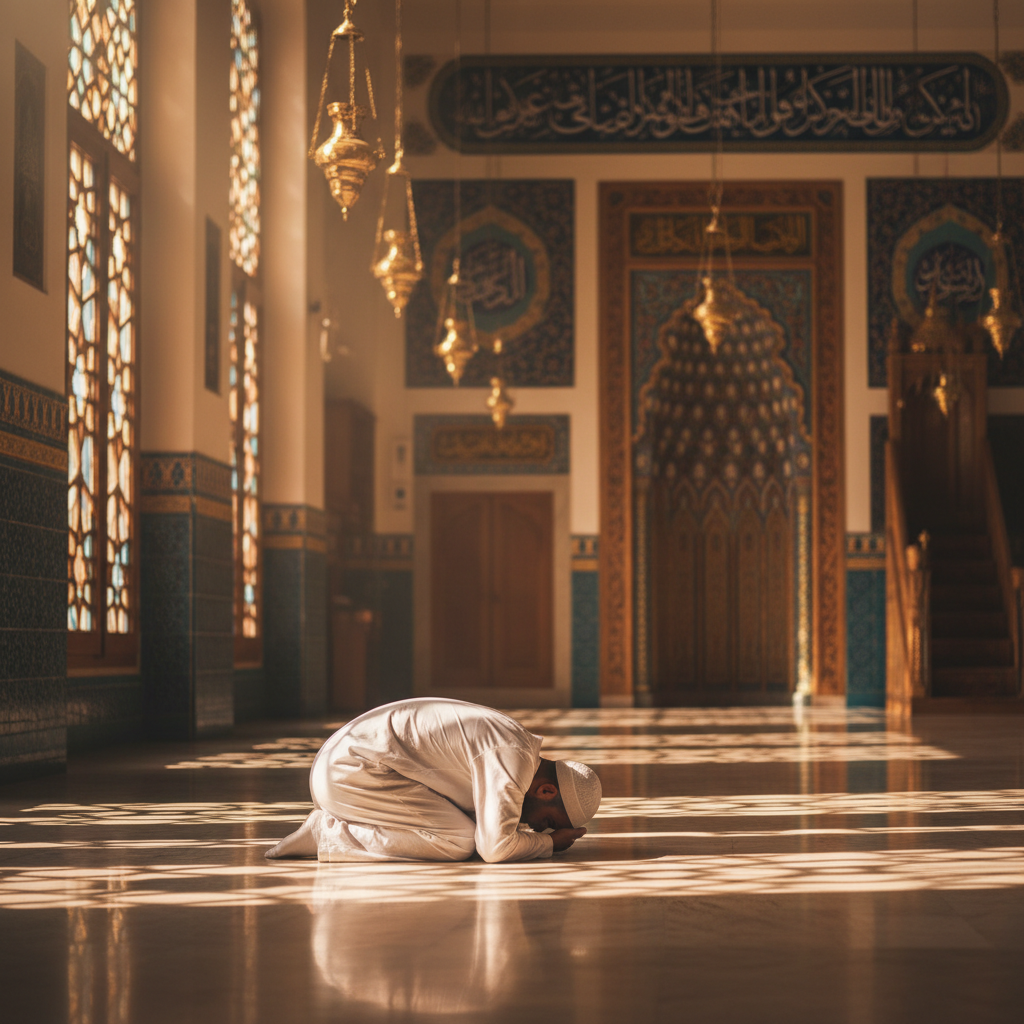
Primarily, a mosque is a place for Muslims to perform their daily prayers. It provides a serene environment where individuals can connect spiritually. Besides the five daily prayers, mosques hold the Friday congregational prayer, which is a significant weekly gathering for Muslims. This aspect emphasizes the mosque's role in fostering religious devotion.
Educational and Cultural Hub
Mosques often host educational programs, including classes on the Quran, Arabic language, and Islamic history. These classes are open to all, offering valuable resources for learning and growth. Additionally, mosques may organize cultural events and celebrations, promoting a deeper understanding of Islamic traditions and values.

Social Services and Support
Beyond spiritual and educational roles, mosques frequently provide social services to the community. These services can include food distribution, financial support for those in need, and even healthcare services. By offering such assistance, mosques play a crucial role in supporting the well-being of community members.
Promoting Unity and Inclusivity
Mosques are spaces that encourage unity and inclusivity. They bring together people from diverse backgrounds, fostering a sense of belonging and shared purpose. Through interfaith dialogues and community outreach, mosques contribute to building bridges between different cultural and religious groups.
The Role of Imams
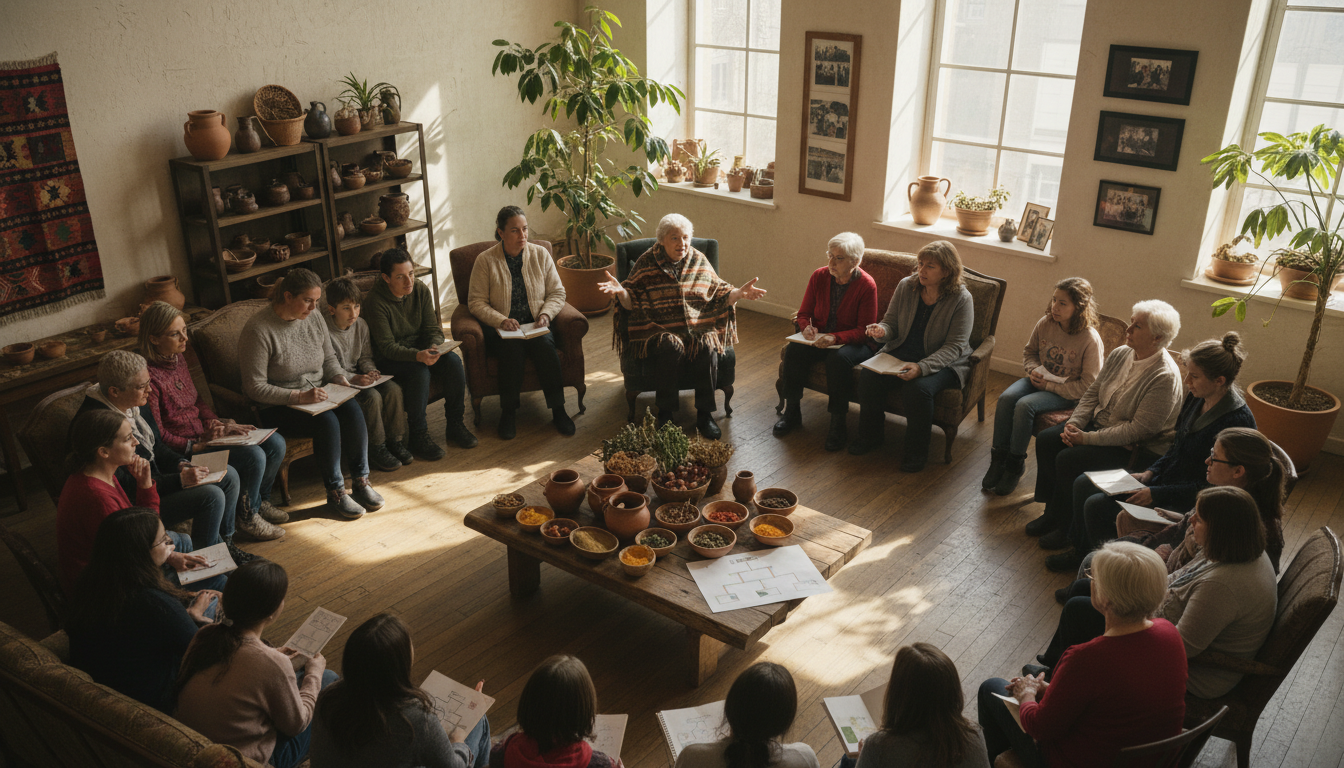
Imams, as leaders of the mosque, play a vital role in guiding the community. They not only lead prayers but also offer advice and support on various personal and social matters. Their presence is instrumental in nurturing a community grounded in mutual respect and understanding.
Challenges and Opportunities
While mosques offer numerous benefits, they also face challenges, such as misconceptions and financial constraints. However, these challenges present opportunities for growth and adaptation. By engaging with the broader community and embracing modern technology, mosques can enhance their impact and relevance.
Future Directions
As communities evolve, so too must mosques. Embracing digital platforms for outreach and education can expand their reach and accessibility. Additionally, fostering partnerships with local organizations can amplify their efforts in addressing societal issues.
In conclusion, mosques are vital institutions that serve various essential roles within the community. Their contributions extend beyond religious practices, promoting education, support, unity, and cultural exchange. Understanding and appreciating these roles can foster greater harmony and cooperation in diverse societies.