Common Misconceptions About Mosques: Myth-Busting Facts


Understanding the Role of Mosques
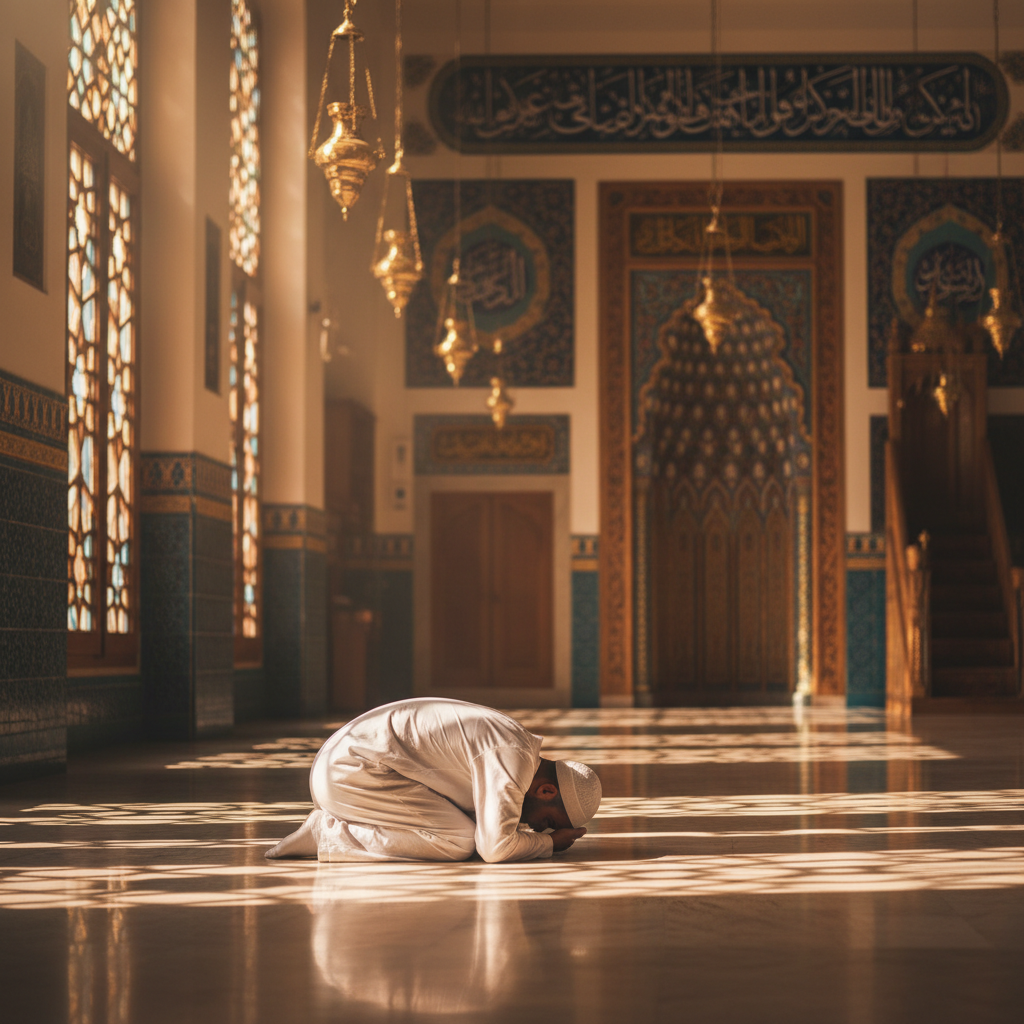
One of the most common misconceptions about mosques is that they are exclusively places for prayer. While prayer is a significant function, mosques serve as vibrant community centers where educational, social, and charitable activities take place. They are spaces for learning and dialogue, often hosting events that foster interfaith understanding and community cohesion.
Mosques Are Not Restricted to Muslims Only
Another myth is that mosques are closed off to non-Muslims. In reality, many mosques welcome visitors of all faiths, encouraging them to learn about Islam and experience the mosque's communal atmosphere. It's always advisable to check with a specific mosque regarding visitor policies, but the general stance is one of openness and inclusion.
The architecture of mosques might also suggest that they are solemn, inaccessible places. However, many mosques are cultural treasures, with intricate designs and historical significance that attract tourists from around the world.
Dress Codes and Conduct in Mosques
There's often confusion about the dress code when visiting a mosque. While modest dress is appreciated, it isn't as daunting as some might think. Visitors are typically asked to cover their arms and legs, and women may be requested to wear a headscarf. These guidelines are similar to those found in other religious sites worldwide.
As for conduct, mosques are places of respect and reflection. Visitors are encouraged to observe silence during prayer times and follow any posted guidelines regarding photography and movement within the mosque.
Mosques and Community Services
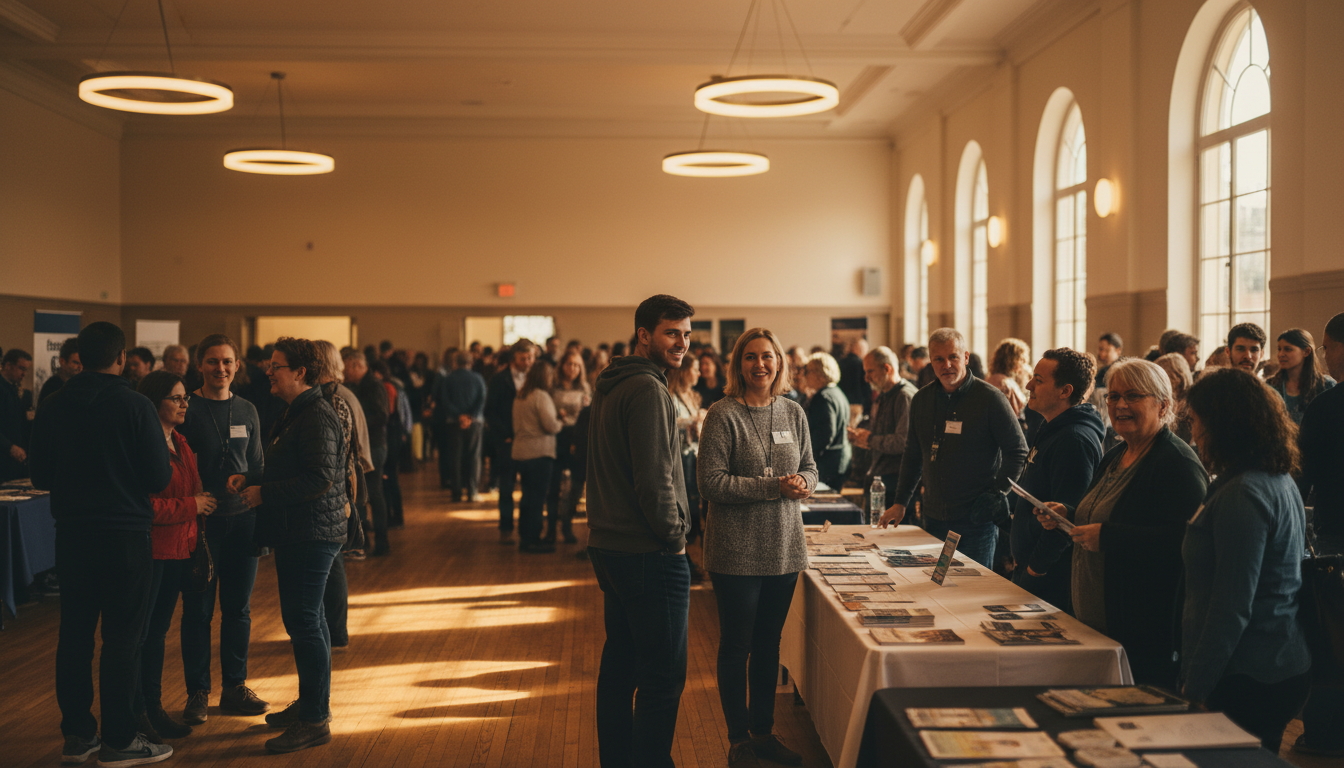
It is a misconception that mosques are solely focused on religious activities. In fact, they provide a range of community services. Many mosques offer educational programs, from language classes to workshops on various skills. They also frequently organize charity drives and provide support to those in need, regardless of their religious affiliation.
These activities exemplify the mosque's role as a hub for community support and development, emphasizing the importance of social responsibility and charity in Islam.
Embracing Modernity
Some might think that mosques are resistant to change or modern technology. On the contrary, many mosques have embraced digital advancements, offering virtual tours, online lectures, and live-streamed services to reach wider audiences. This adaptability highlights the mosque's role in bridging tradition with contemporary needs.
By dispelling these misconceptions, we can appreciate mosques not just as places of worship but as vibrant, inclusive centers that contribute positively to society. Understanding this can foster greater respect and harmony among diverse communities.