Common Misconceptions About Mosques Debunked


Understanding Mosques: A Closer Look at Common Misconceptions
When it comes to mosques, there are several misconceptions that persist in popular culture. These misunderstandings often arise from a lack of knowledge or exposure to different cultures and traditions. In this blog post, we aim to debunk some of the most common myths about mosques, offering a clearer understanding of their true purpose and significance.
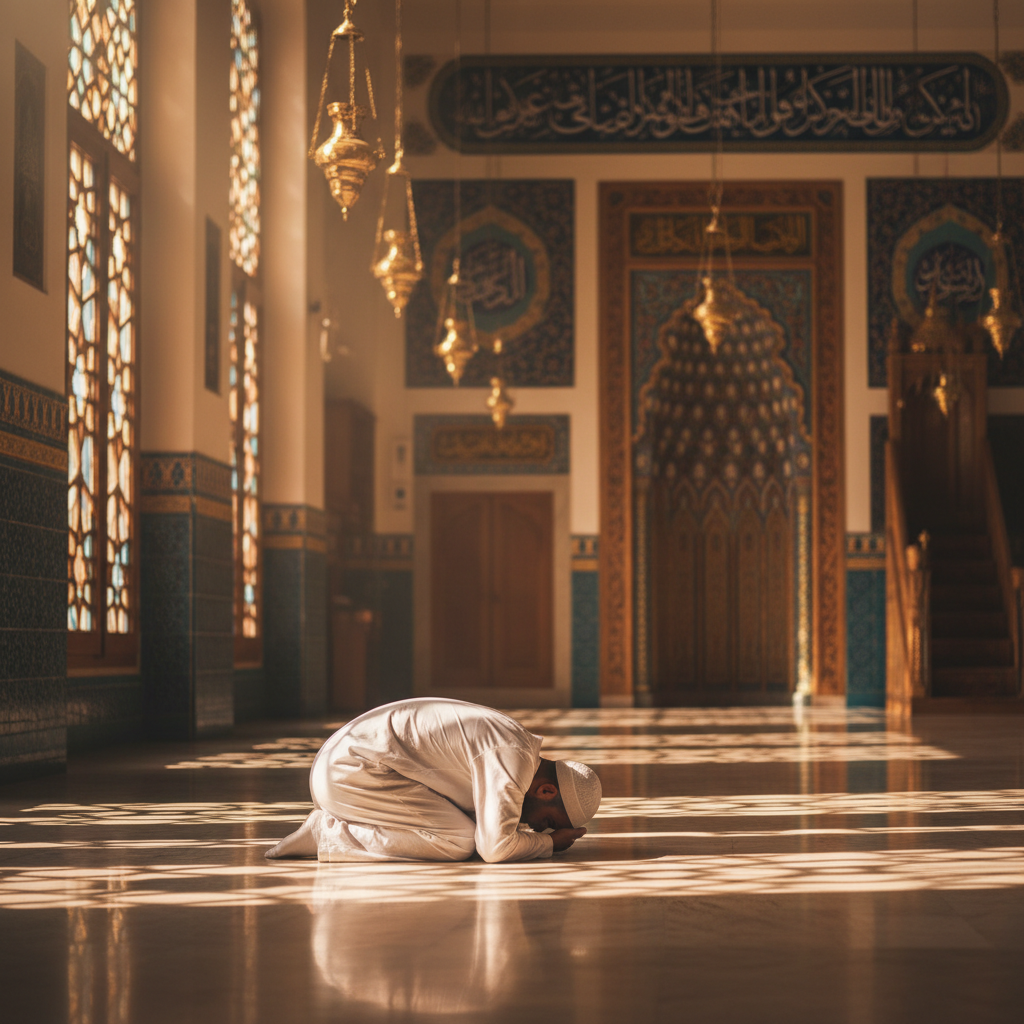
Mosques Are Not Exclusive to Muslims
One widespread misconception is that mosques are solely for Muslims. While mosques primarily serve as places of worship for Muslims, many mosques worldwide welcome visitors of all faiths. They often serve as community centers, offering educational programs, cultural events, and interfaith dialogues. Visitors are usually encouraged to observe prayers and learn more about Islamic practices.
It's essential to approach a mosque visit with respect and an open mind. Dressing modestly and removing shoes before entering are common practices. By following these guidelines, non-Muslims can gain a deeper appreciation for the mosque's role in the community.
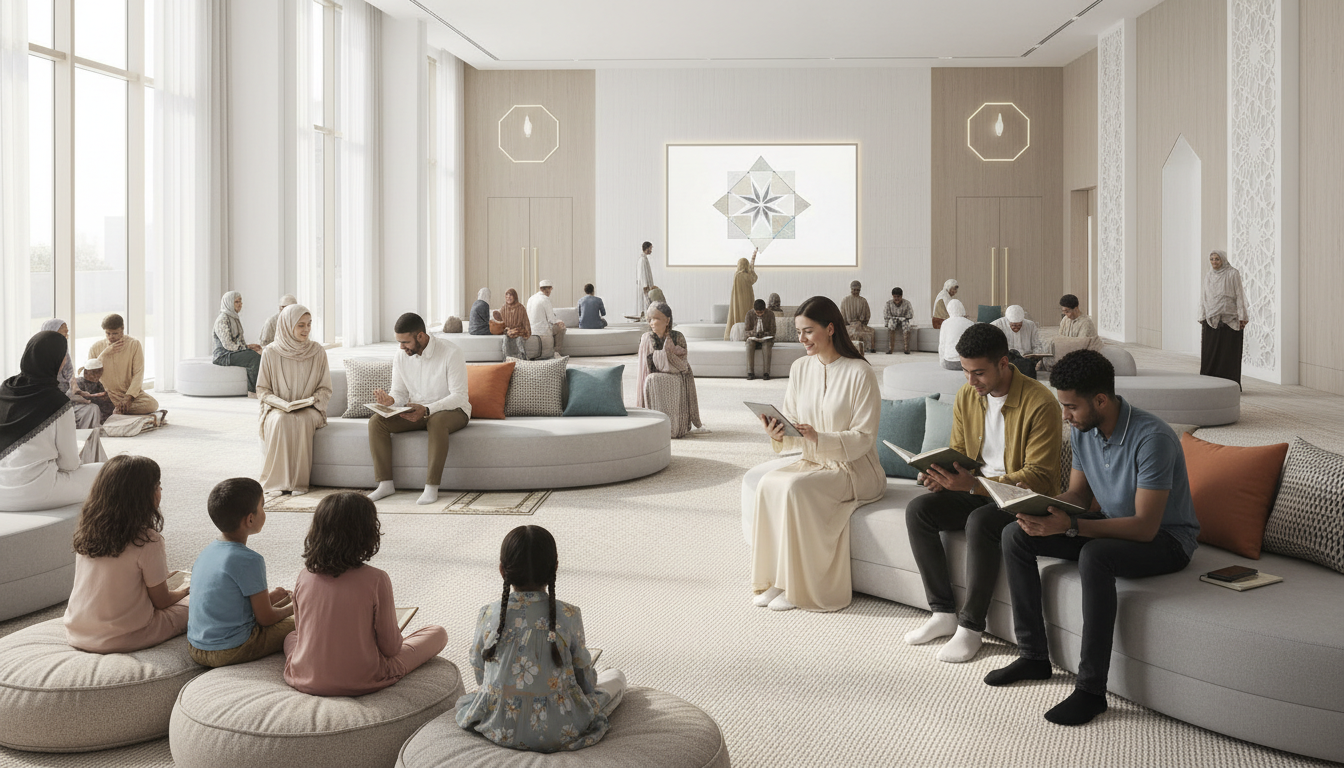
Mosques Are Not Political Hubs
Another misconception is that mosques are centers for political activity or radicalization. In reality, mosques are primarily places for spiritual reflection, community gathering, and learning. While some mosques may discuss social or political issues, these are usually in the context of community welfare and social justice, much like other religious institutions.
It's crucial to distinguish between the actions of a few individuals and the broader community. Most mosques focus on fostering peace, understanding, and charity work, aligning with the core teachings of Islam.
Mosques Are Not Uniform in Design
Many people assume that all mosques look the same, featuring domes and minarets. However, mosque architecture varies significantly across the globe, reflecting local cultures, histories, and resources. For example, the mosques in Indonesia are often different in design compared to those in Turkey or Morocco.
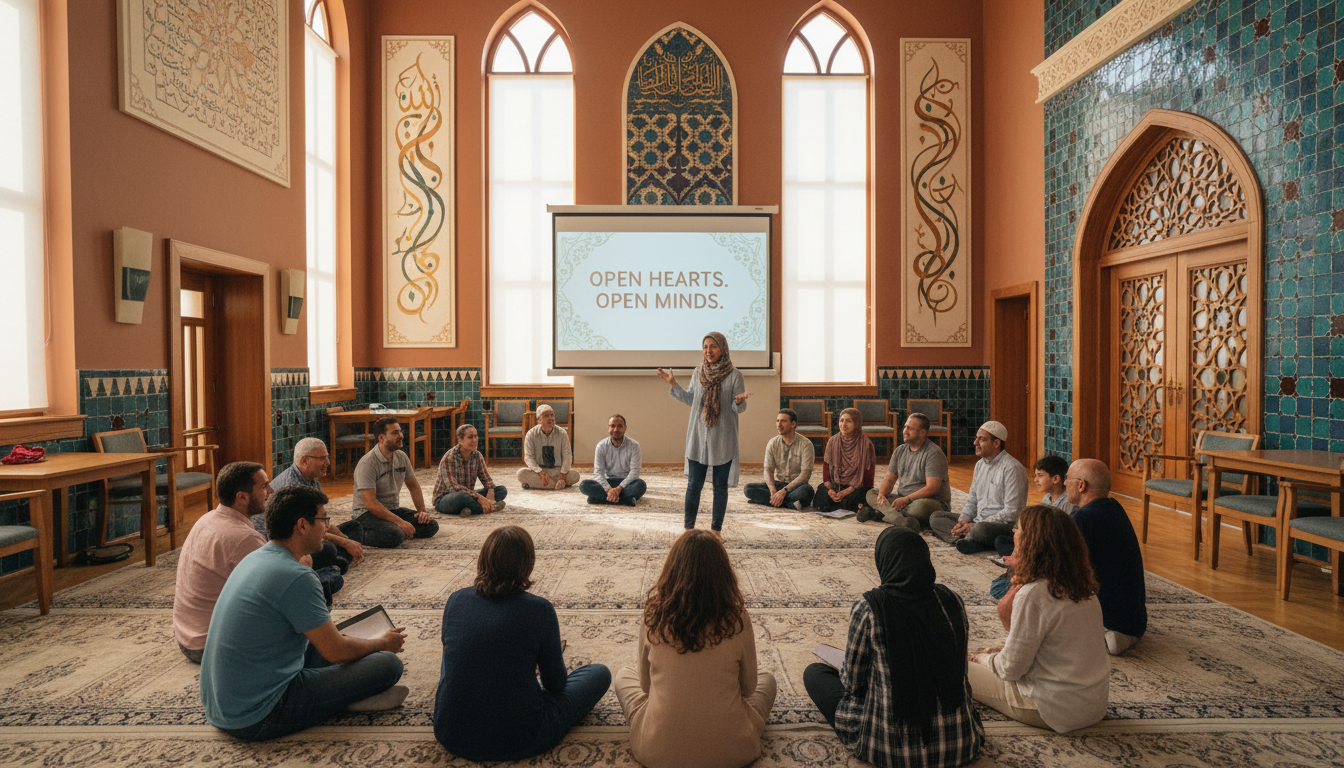
This diversity in architecture highlights the adaptability and inclusiveness of Islamic culture, showing how it merges with local traditions. By exploring different mosque designs, one can appreciate the rich tapestry of Islamic art and architecture.
Mosques Are Not Solely for Ritual Prayers
While the primary function of a mosque is to facilitate the five daily prayers, they also serve a broader purpose. Mosques often host educational classes, provide charity to those in need, and act as venues for important life events like weddings and funerals.
The mosque's role as a community hub cannot be overstated. It is a place where people gather to support one another, engage in social activities, and work towards communal goals. This multifunctional aspect is what makes mosques integral to Islamic communities worldwide.
Embracing the True Essence of Mosques
In debunking these misconceptions, it's clear that mosques are more than just places of worship. They are centers of community life, cultural exchange, and spiritual growth. By understanding and appreciating the true essence of mosques, we can foster greater harmony and understanding between different cultures and faiths.
Visiting a mosque with an open heart and mind can be a profoundly enriching experience. It allows individuals to bridge cultural divides, learn about different traditions, and engage in meaningful dialogues. In doing so, we can dispel myths and build a more inclusive world.