Debunking Common Myths About Mosques and Muslim Practices


Understanding Mosques: More Than Just Places of Worship
One of the most common misconceptions about mosques is that they are exclusively places of worship. While prayer is a significant aspect, mosques also serve as community centers, educational hubs, and venues for social gatherings. They host events for people of all ages, including lectures, charity drives, and cultural celebrations.
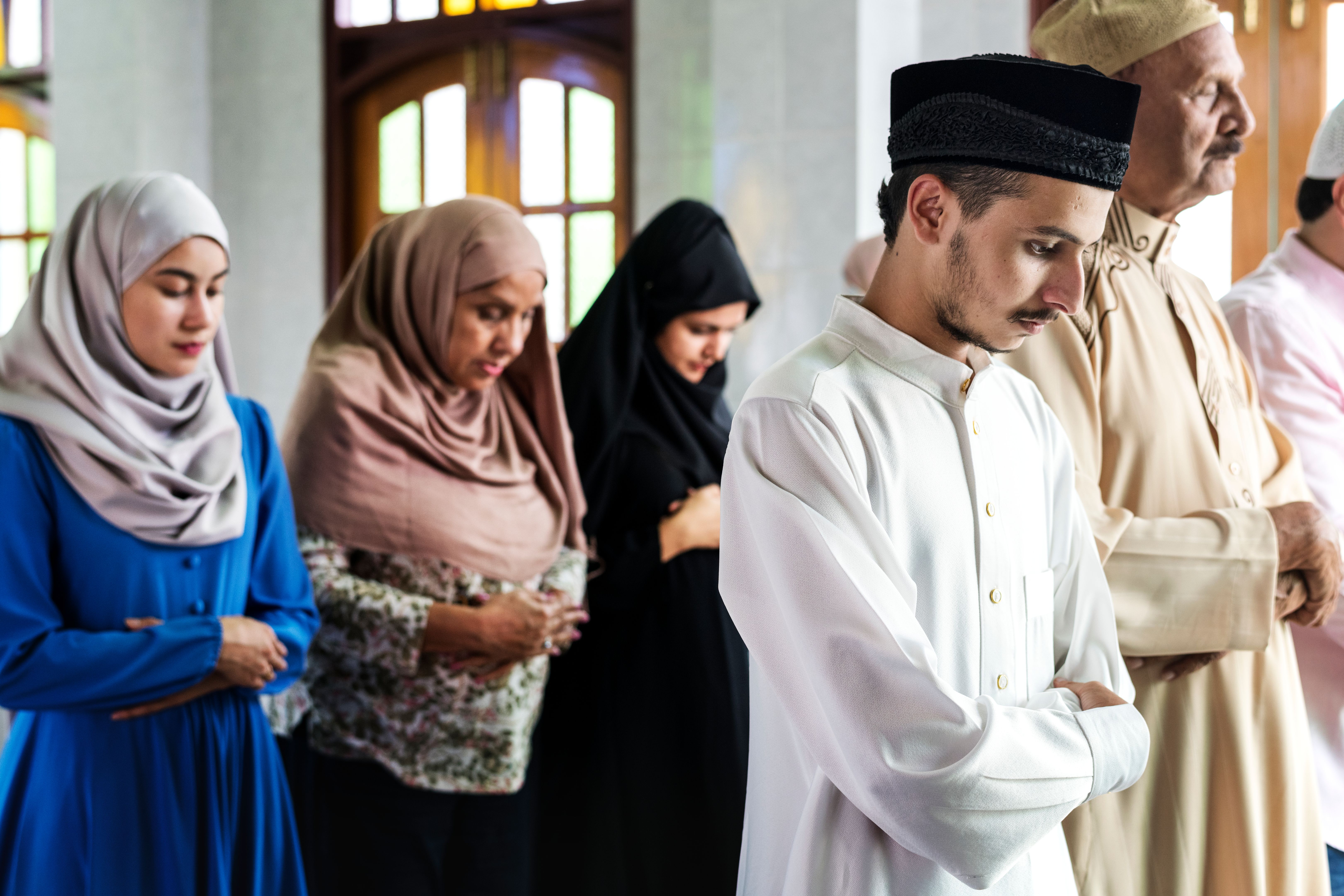
Moreover, mosques often provide support services such as counseling, language classes, and children's programs, reflecting their role as integral parts of the community. Understanding this broader function can help dispel the myth that mosques are solely religious spaces.
Prayer Practices: Debunking the Myths
Another common myth is regarding the frequency and nature of prayer in Islam. Muslims are required to pray five times a day, but these prayers are brief and can be conducted almost anywhere, not just in mosques. The Friday prayer, known as Jumu'ah, is a communal prayer held in mosques but is not mandatory for everyone.
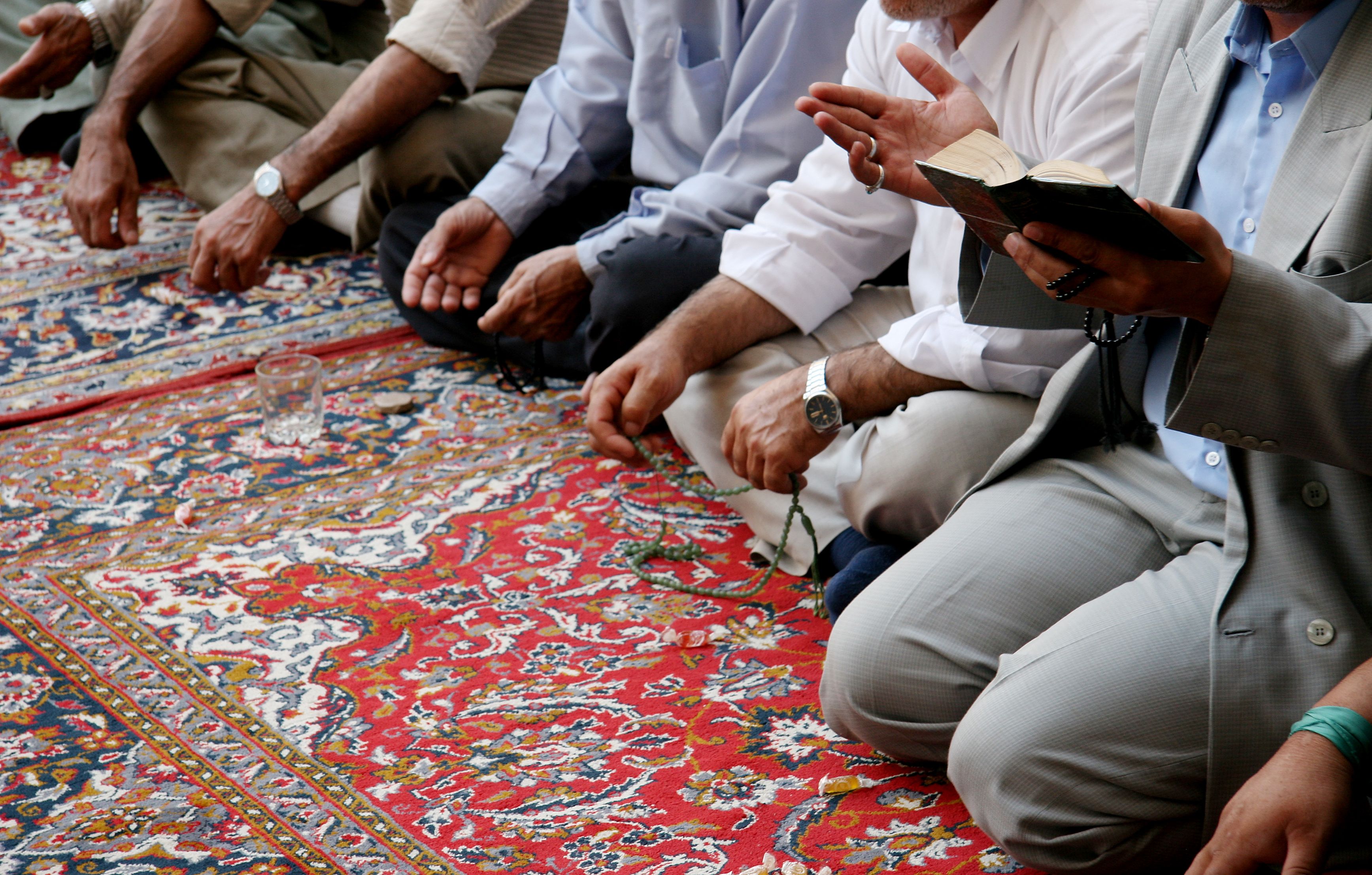
It's also important to note that prayer in Islam is a personal act of devotion, open to anyone, anywhere. This flexibility reflects the inclusive and accessible nature of Muslim practices.
Dress Codes: Beyond Stereotypes
Clothing and dress codes often come up in discussions about Muslim practices. While modesty is emphasized, there is no single way Muslims are required to dress. The diversity in Islamic dress reflects cultural variations and personal preferences. The hijab, for example, is a choice for many Muslim women and is not universally mandated.
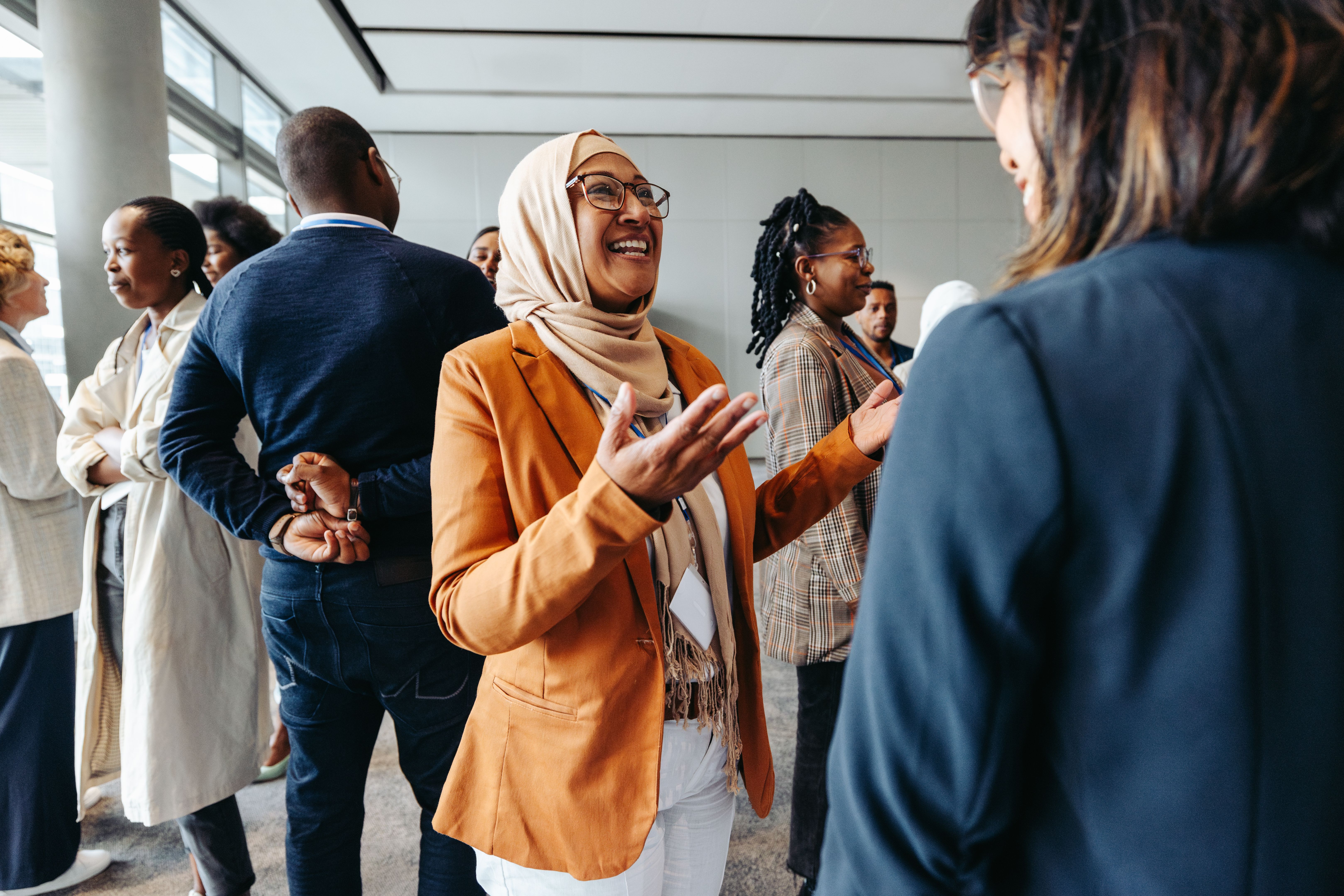
Understanding that dress is a personal choice helps in appreciating the diversity within the Muslim community and dispelling stereotypes.
Misunderstanding Gender Roles
Another pervasive myth is that Islam enforces strict gender roles. In reality, gender roles can vary widely depending on cultural, regional, and individual factors. Many Muslim women are leaders in their communities, in academia, and in various professional fields.
Islamic teachings advocate for equality and respect between genders, and many Muslim-majority countries are making strides in gender equality. Recognizing these efforts is crucial in debunking myths about gender in Islam.
Embracing Cultural Diversity
Islam is a global religion, and its followers come from diverse backgrounds. This diversity is reflected in the variety of cultural practices and traditions observed by Muslims around the world. From cuisine to art and literature, Muslim cultures contribute richly to global heritage.

Appreciating this diversity is key to understanding that there is no single way to practice Islam, and stereotypes often fail to capture this complexity.
Conclusion: Promoting Understanding and Respect
Debunking myths about mosques and Muslim practices is crucial for fostering understanding and respect. By acknowledging the multifaceted roles of mosques, the flexibility of prayer, the diversity in dress, and the evolving gender roles, we can move towards a more informed and inclusive perspective.
As we continue to learn and engage with different cultures, it's essential to challenge stereotypes and embrace the rich diversity within the Muslim community. This approach not only enriches our knowledge but also strengthens communal bonds.