The Architecture of West End Musalla: A Blend of Tradition and Modernity


The Fusion of Historical and Contemporary Design
The West End Musalla stands as a remarkable testament to the harmonious fusion of traditional Islamic architecture and modern design elements. Situated in a bustling urban landscape, this architectural marvel captures the essence of both worlds, appealing to admirers of historical elegance and contemporary functionality.
At its core, the Musalla adopts traditional Islamic architectural features, such as geometric patterns and intricate arabesques. These elements are thoughtfully integrated into the structure, ensuring that the building remains rooted in its cultural heritage while embracing modern aesthetics. The architects have skillfully blended these motifs with sleek lines and minimalist forms, creating a unique visual narrative.
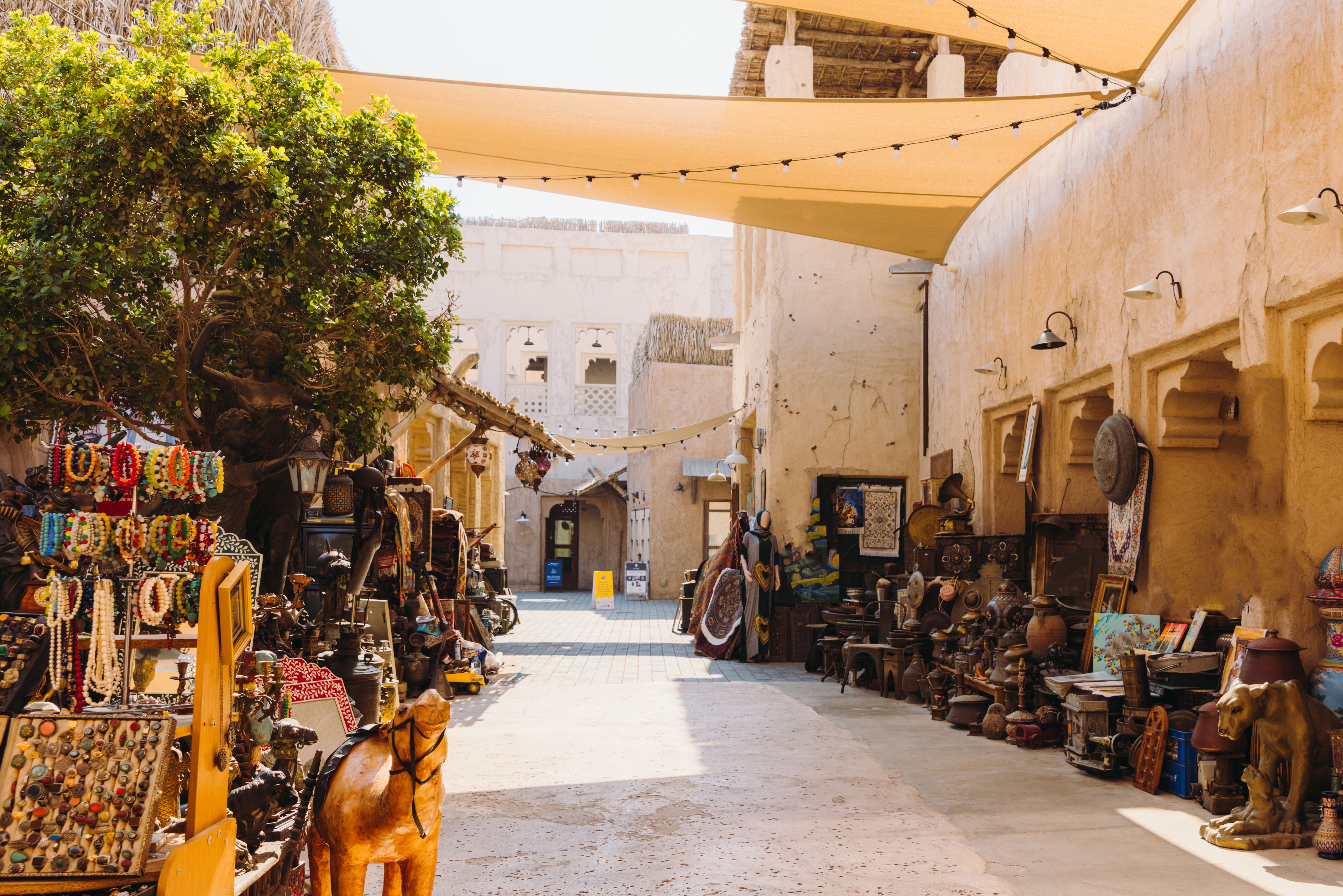
Embracing Modernity
While the Musalla pays homage to its historical roots, it boldly steps into the present with contemporary materials and cutting-edge technologies. The use of glass and steel in its construction not only adds a sleek, modern touch but also allows for an abundance of natural light to permeate the space. This thoughtful incorporation of light enhances the serene ambiance, making it a place of reflection and tranquility.
Innovative technologies are seamlessly woven into the fabric of the Musalla. Advanced climate control systems ensure comfort for worshippers, while energy-efficient solutions align with sustainable practices. These features demonstrate how modern architecture can coexist with traditional design without compromising on functionality or environmental responsibility.
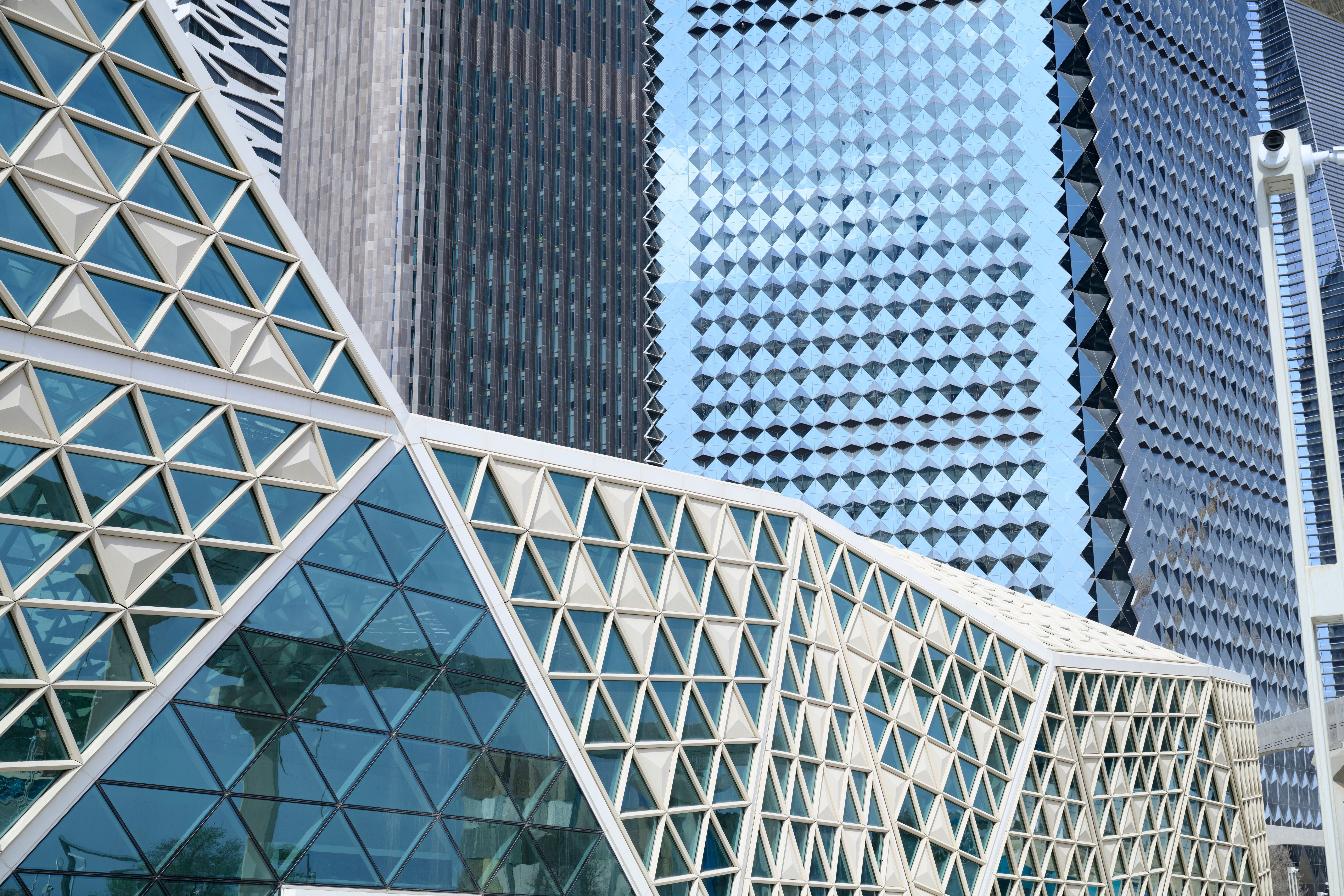
A Community Hub
Beyond its architectural significance, the West End Musalla serves as a vibrant community hub. The building is not just a place of worship but a center for cultural exchange and community gatherings. The design facilitates various functions, with versatile spaces that can accommodate lectures, exhibitions, and social events.
The Musalla’s open-plan layout encourages interaction and community bonding. It fosters a sense of unity among visitors, allowing them to engage with the space and with each other in meaningful ways. This aspect of the design underscores the importance of architecture in enhancing social connections.

The Role of Artisans
The creation of the West End Musalla involved collaboration with skilled artisans who brought their expertise in traditional crafts to the forefront. Their contributions are evident in the detailed woodwork, mosaic tiles, and calligraphy that adorn the building. These artisanal elements are not just decorative; they are integral to the building's character and narrative.
Through these artistic endeavors, the Musalla becomes a canvas that tells the story of its cultural and historical lineage. This collaboration highlights the enduring relevance of traditional crafts in contemporary architecture, offering a tactile connection to the past.