The Importance of Mosque Architecture: Insights from West End Musalla


The Role of Mosque Architecture in Community Building
Mosque architecture plays a vital role in shaping the spiritual and community life of Muslims around the world. The design and structure of a mosque are not merely about aesthetics; they are about creating an environment that fosters worship, reflection, and community engagement. The West End Musalla provides a unique insight into how architectural elements can influence these aspects.
Symbolism and Spirituality
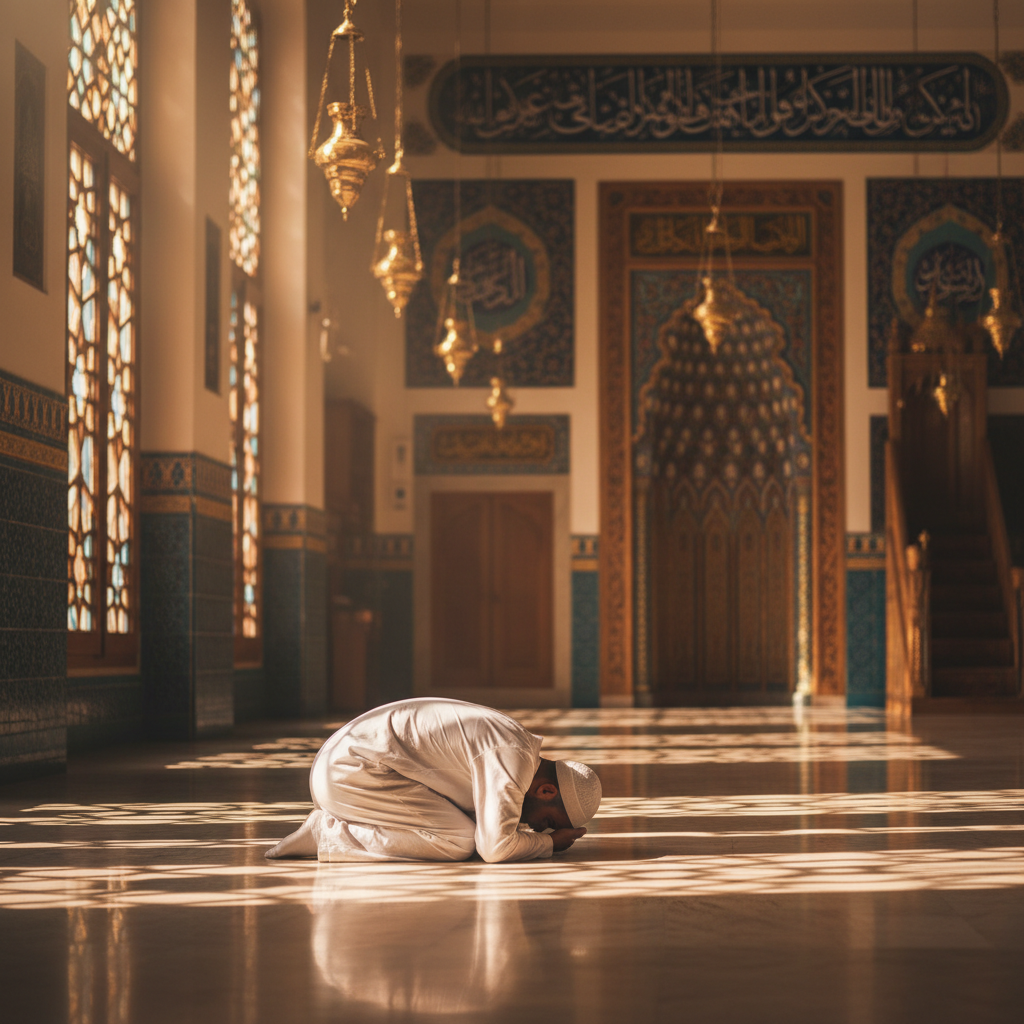
One of the key aspects of mosque architecture is its ability to convey symbolism and spirituality. The West End Musalla, with its intricate designs and thoughtful layout, exemplifies how architectural features can enhance spiritual experiences. The use of domes, minarets, and arches not only adds beauty but also serves a deeper purpose, guiding worshippers towards a state of tranquility and focus.
These elements often symbolize important concepts in Islam. For instance, the dome represents the vault of heaven, while the minaret serves as a visual reminder of the call to prayer. The architecture becomes a bridge between the physical and the spiritual world, enhancing the worship experience.
Community and Social Interaction
Beyond the spiritual, mosque architecture also plays a crucial role in fostering community ties. The West End Musalla has been designed with spaces that encourage social interaction and community activities. Courtyards, multipurpose halls, and educational spaces are common features that support various community functions.
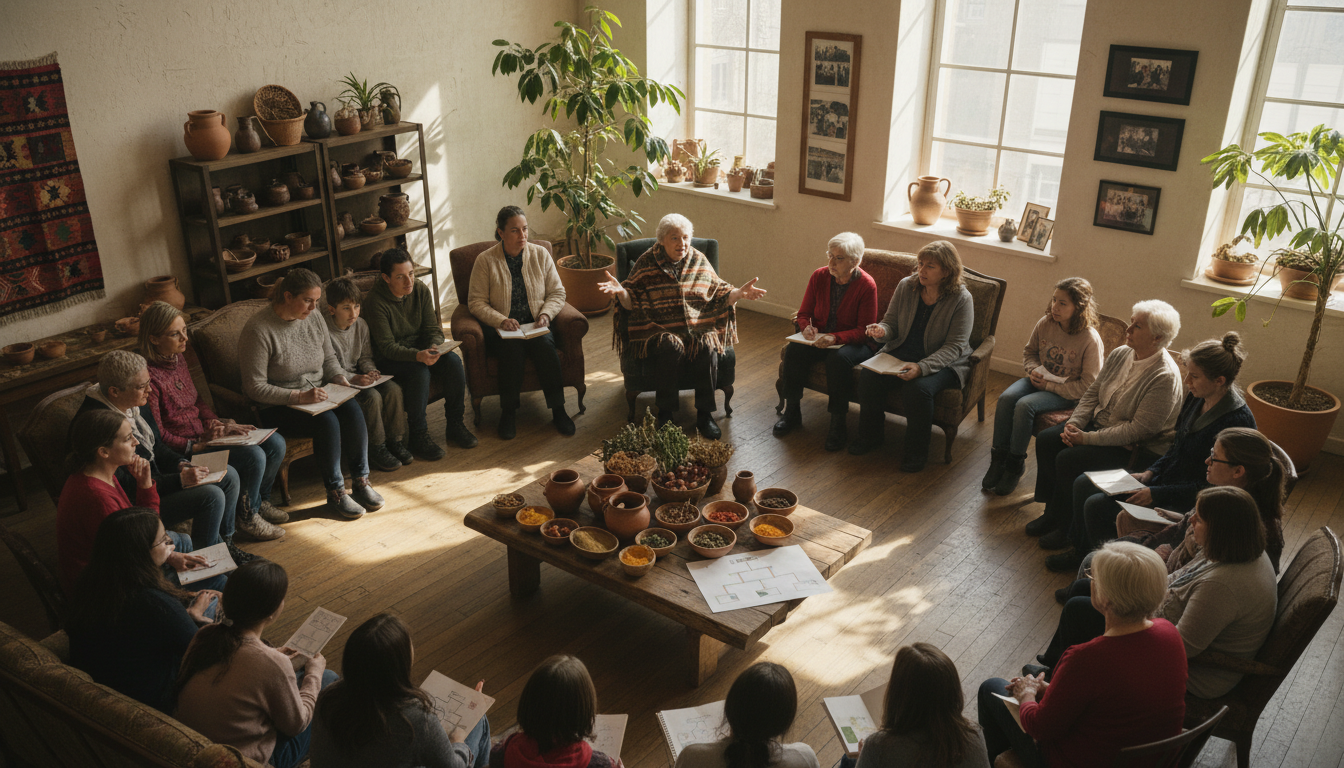
Mosques often serve as community centers where people gather for events, educational programs, and social services. The design of these spaces must accommodate diverse activities while maintaining the sanctity of the prayer areas. By doing so, mosques become a nucleus for community life.
Architectural Elements and Their Significance
The architectural elements of mosques are not arbitrary; each serves a specific purpose. For example, the mihrab, a niche in the wall, indicates the direction of Mecca, guiding worshippers during prayer. The West End Musalla's mihrab is meticulously crafted, enhancing the focus and unity of those in prayer.
- Minaret: Used for the call to prayer and as a visual landmark.
- Dome: Symbolizes the heavens and contributes to acoustics.
- Mihrab: Indicates the qibla, enhancing spiritual focus.
Sustainability and Modern Design
Modern mosque architecture, including places like the West End Musalla, increasingly incorporates sustainable design principles. The use of natural light, ventilation, and eco-friendly materials reflects a growing awareness of environmental responsibilities. These elements not only reduce the ecological footprint but also create a more comfortable and harmonious worship environment.
The integration of modern technology with traditional design demonstrates how mosques can evolve while preserving their essential characteristics. By embracing sustainability, mosques can continue to serve their communities effectively in the future.
Conclusion
In conclusion, the architecture of mosques like the West End Musalla is integral to their function as places of worship and community hubs. Through a blend of traditional symbolism and modern innovation, mosque architecture continues to inspire and facilitate spiritual growth and community cohesion. As these spaces evolve, they remain pivotal in nurturing both the faith and the social fabric of the communities they serve.