Top Myths About Mosques and the Truth Behind Them


Understanding Mosques: Dispelling Common Myths
Mosques are often at the center of cultural and religious discussions, yet many misconceptions persist about their purpose and significance. These myths can create misunderstandings and foster stereotypes that are far from reality. In this post, we aim to debunk some of the most common myths about mosques and uncover the truth behind them.
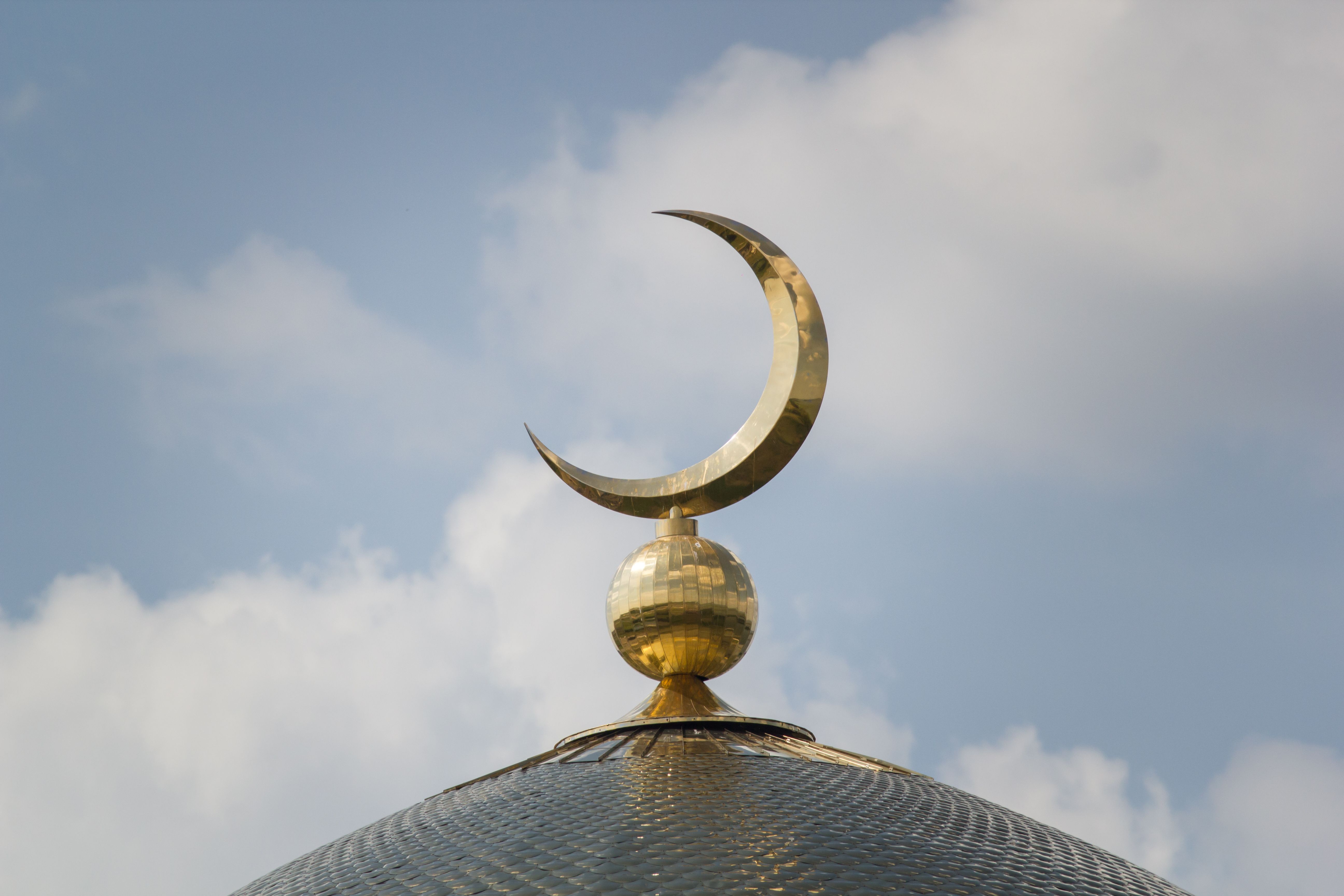
Myth 1: Mosques Are Only for Worship
While it's true that mosques are primarily places of worship, their role extends far beyond religious rituals. Mosques often serve as community centers, offering educational programs, social services, and spaces for community gatherings. They play a vital role in fostering community spirit and providing support to those in need.
Many mosques host events open to people of all faiths, encouraging dialogue and understanding. By offering language classes, health clinics, and charity drives, mosques contribute significantly to the well-being of their communities.
Myth 2: Only Men Are Allowed in Mosques
A common misconception is that mosques are exclusive to men. In reality, many mosques welcome both men and women, providing designated areas for each to pray. The separation is often for privacy and comfort, not exclusion. Women actively participate in community activities and educational programs within mosques.
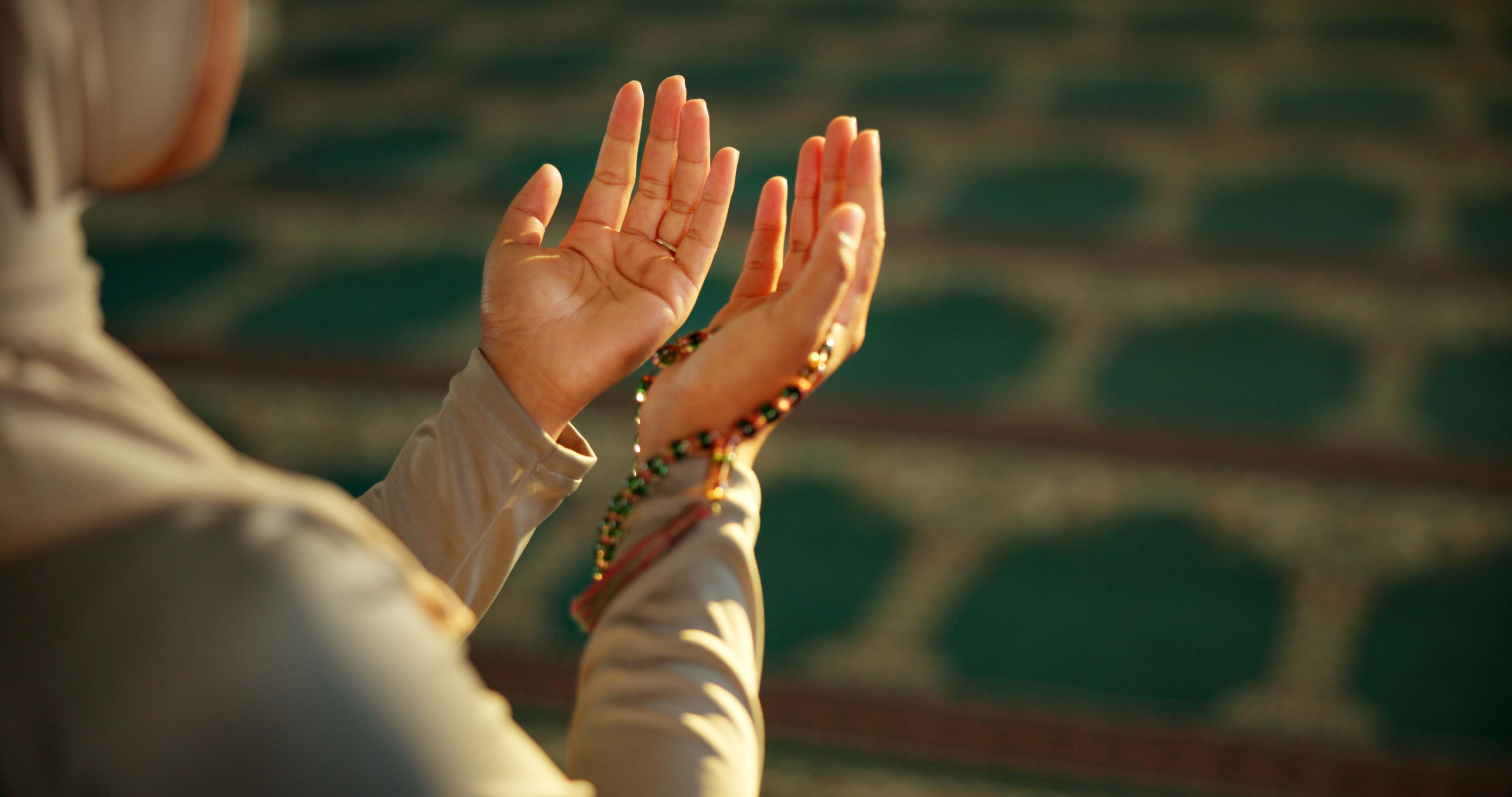
It's important to note that practices can vary depending on cultural and local customs, but the notion that women are unwelcome is largely inaccurate.
Myth 3: Mosques Promote Extremism
This myth is perhaps one of the most damaging. The vast majority of mosques promote peace, tolerance, and understanding. They are places where Muslims come together to pray and learn about their faith, which emphasizes compassion and social justice.
In fact, mosques often work to counteract extremism by providing accurate information about Islam and encouraging positive community engagement. It's crucial to differentiate between a place of worship and the actions of a few individuals who may misuse religious teachings.
Myth 4: Non-Muslims Are Not Welcome
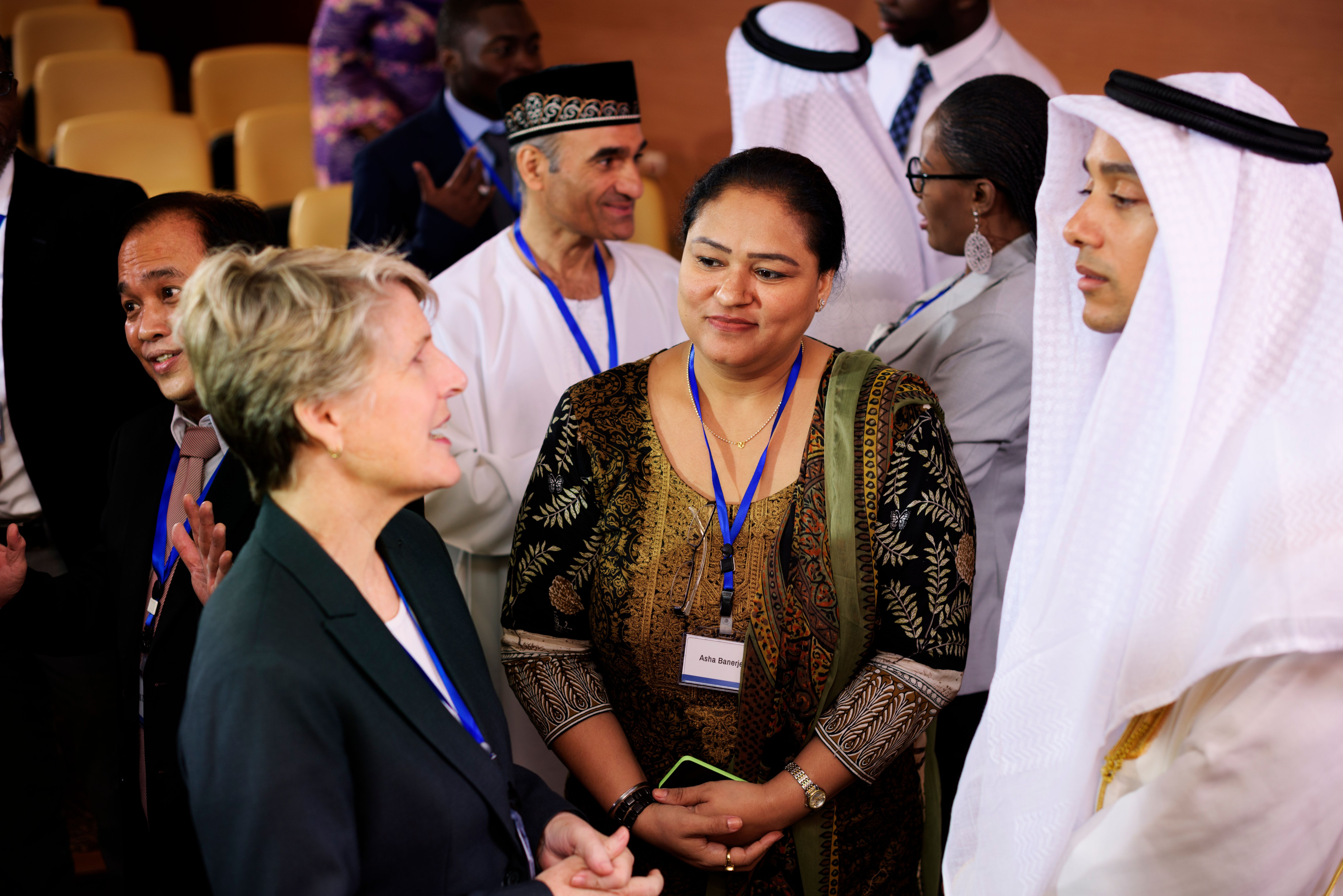
Many people believe that non-Muslims are not permitted to enter mosques. While this might be true in some specific regions due to cultural norms, generally, mosques welcome visitors of all faiths. Open mosque days and interfaith events are common, allowing people to learn about Islam and engage in meaningful conversations.
By opening their doors to non-Muslims, mosques play a crucial role in breaking down barriers and building bridges between different communities.
Conclusion: Embracing Truth and Understanding
By dispelling these myths, we can foster a more inclusive and understanding world. Mosques are integral parts of their communities, promoting values of peace, education, and charity. Recognizing the truth about mosques allows for a more nuanced and respectful view of Islam and its followers.
Next time you pass by a mosque, consider visiting or participating in a community event. You might find an opportunity to learn something new and perhaps even make some new friends along the way.