Understanding Friday Prayers: The Significance and Tradition


Introduction to Friday Prayers
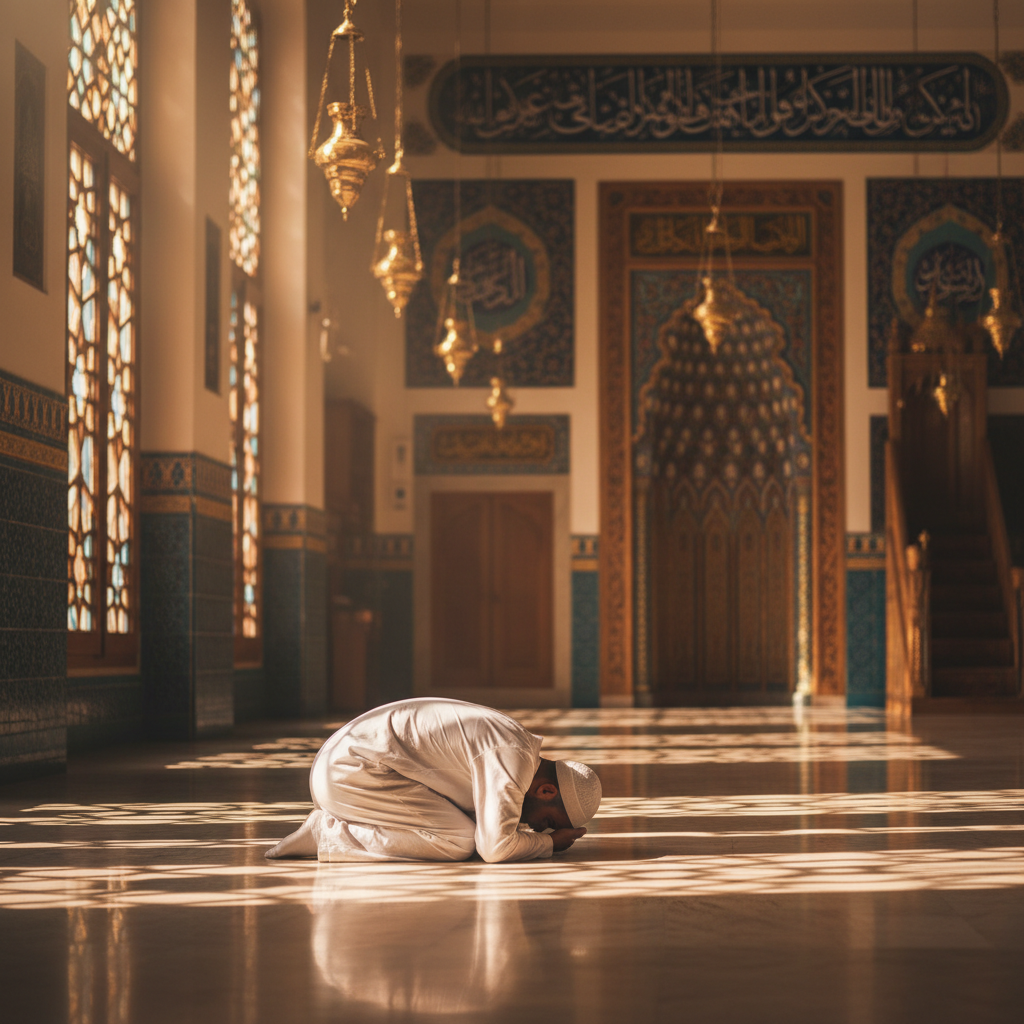
Friday prayers, also known as Jumu'ah, hold a special place in the hearts of Muslims around the world. Unlike regular daily prayers, Friday prayers are performed in congregation, typically at a mosque, and include a sermon. This weekly gathering fosters a sense of community and spiritual renewal, making it an essential aspect of Islamic life.
The Spiritual Significance
Jumu'ah is more than just a ritual; it is a time for Muslims to pause from their daily activities and refocus on their faith. The Quran emphasizes the importance of Friday prayers in Surah Al-Jumu'ah, urging believers to leave their worldly engagements and hasten to the remembrance of Allah. This act of devotion is believed to bring numerous spiritual benefits, serving as a reminder of one's duties and responsibilities.
The Friday sermon, or Khutbah, is a vital component of the Jumu'ah prayers. Delivered by the Imam, the sermon addresses religious, social, or moral issues, offering guidance and insight to the congregation. It acts as a means of education and reflection, helping attendees align their lives with Islamic principles.
Tradition and Practice
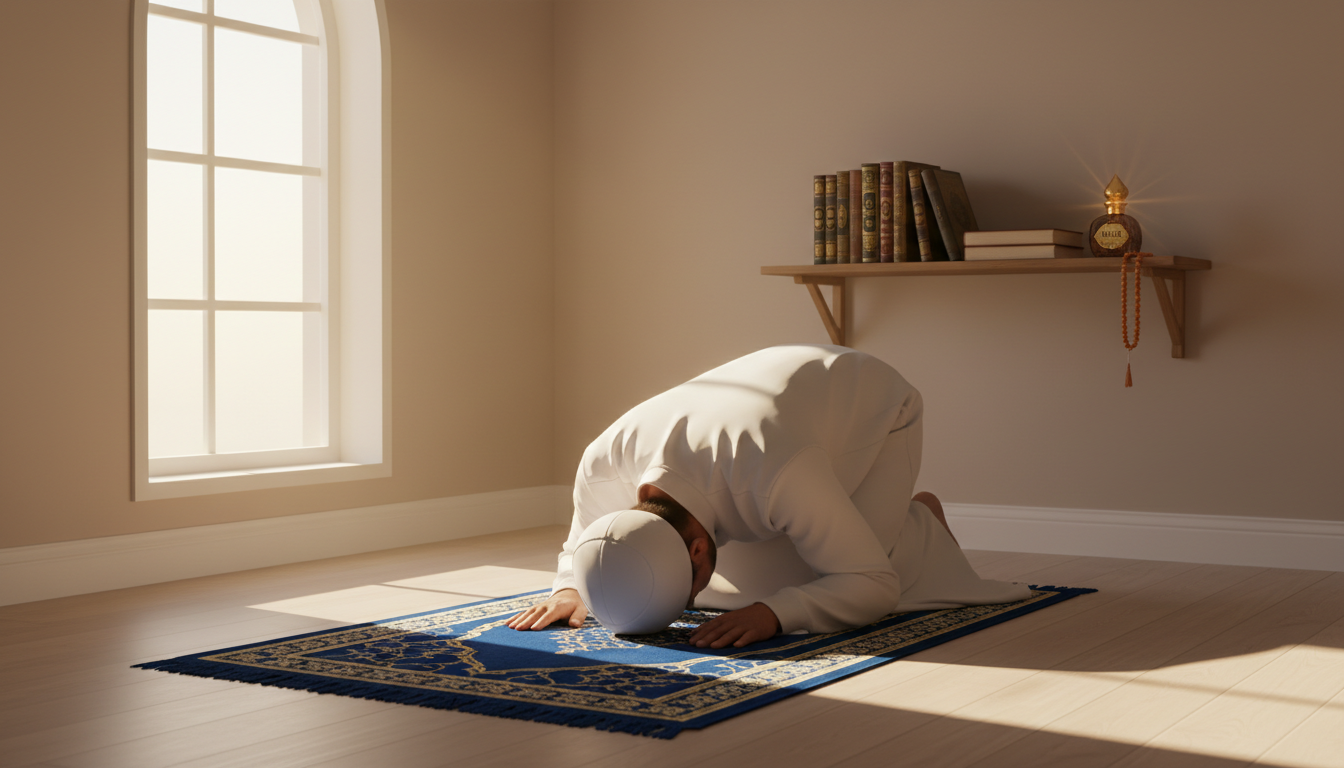
Friday prayers are traditionally observed at noon, replacing the regular Dhuhr prayer. The congregation begins with two units of prayer (Rak'ahs) performed silently, followed by the sermon. After the sermon, two additional Rak'ahs are performed, completing the Jumu'ah prayer.
Key Components of the Sermon
The Khutbah is typically divided into two parts. The first part focuses on religious teachings and the importance of adhering to Islamic values. The second part often addresses current events or specific community concerns, providing a context for the listeners to apply the teachings in their daily lives.
- Religious Teachings: Emphasizes core Islamic beliefs and practices.
- Community Issues: Discusses local or global events affecting the Muslim community.
Community and Connection
Beyond its spiritual significance, Jumu'ah serves as a cornerstone for building and strengthening community bonds. The gathering provides a space for social interaction, networking, and mutual support. It fosters a sense of belonging, as individuals from diverse backgrounds come together for a shared purpose.

The Role of the Mosque
The mosque plays a central role in the observance of Friday prayers. It is not merely a place of worship but a hub for community activities and services. The presence of a diverse congregation each week underscores the universal nature of the Islamic faith, promoting unity and understanding among believers.
In conclusion, Friday prayers are a multifaceted practice that combines worship, education, and community engagement. They provide Muslims with an opportunity to renew their faith, gain valuable insights, and connect with others, reinforcing the values of unity, compassion, and spirituality.