Understanding Islamic Practices: A Beginner’s Guide by West End Musalla


Introduction to Islamic Practices
Understanding Islamic practices can seem daunting to beginners, but with a bit of guidance, it becomes an enriching journey of discovery. Islam, a major world religion, is built on a foundation of faith, worship, and community. This guide aims to provide an introduction to the essential practices that define the daily lives of Muslims.
The Five Pillars of Islam
The core of Islamic practice revolves around the Five Pillars, which are fundamental acts of worship and devotion. These pillars are:
- Shahada - The declaration of faith, affirming the oneness of God and the prophethood of Muhammad.
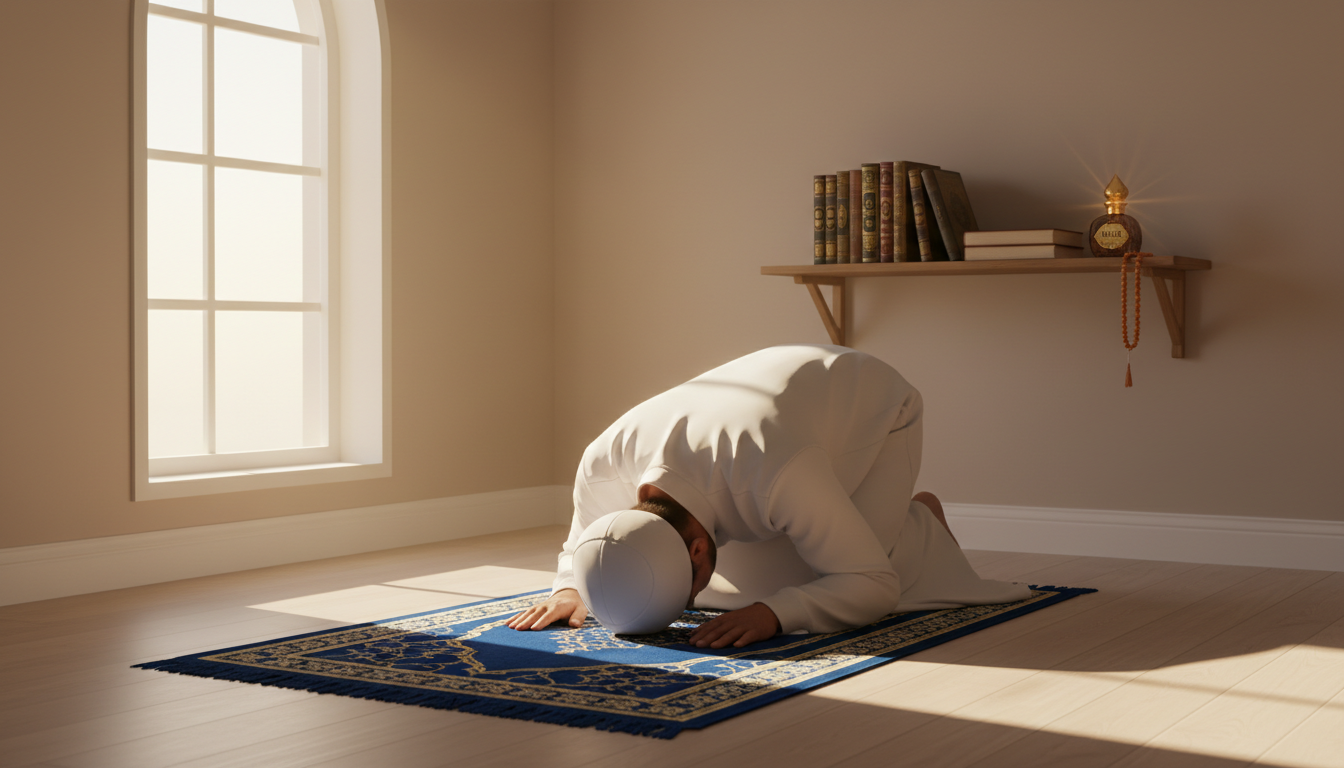
- Salat - The ritual prayer performed five times a day.
- Zakat - The giving of alms to support the less fortunate.
- Sawm - Fasting during the month of Ramadan.
- Hajj - The pilgrimage to Mecca, which every Muslim must undertake at least once in their lifetime if possible.
Understanding Salat
Salat, or ritual prayer, is a cornerstone of daily Muslim life. It involves specific physical postures and recitations, performed at designated times throughout the day. This practice is not only a form of worship but also a way to maintain a spiritual connection with God.
The Importance of Ramadan
Ramadan, the ninth month of the Islamic lunar calendar, holds special significance as a time of fasting and spiritual reflection. During Ramadan, Muslims fast from dawn until sunset, refraining from food, drink, and other physical needs. This practice teaches self-discipline, empathy for the less fortunate, and gratitude.
Community and Charity
Charity, or Zakat, is a vital component of Islamic practice, emphasizing the importance of supporting those in need. Muslims are encouraged to give a portion of their wealth annually to help alleviate poverty and support community welfare. This practice fosters a sense of unity and responsibility within the community.

Hajj: The Pilgrimage
Hajj, the pilgrimage to Mecca, is a profound spiritual journey that millions of Muslims undertake every year. This pilgrimage occurs during the Islamic month of Dhu al-Hijjah and involves a series of rituals that symbolize the unity and equality of all Muslims. Hajj serves as a powerful reminder of the shared faith and heritage of the global Muslim community.
Conclusion
Understanding Islamic practices offers a window into a rich and deeply spiritual way of life. Each practice, from daily prayers to the annual pilgrimage, plays a vital role in shaping the faith and identity of Muslims worldwide. As you explore these practices, you’ll gain insight into a religion that values devotion, community, and compassion.