Understanding Islamic Prayer: A Beginner's Guide


Introduction to Islamic Prayer
Islamic prayer, known as Salah or Salat, is a fundamental act of worship in Islam. It is one of the Five Pillars, which are the core practices required of Muslims. Understanding the significance and the practice of Islamic prayer can provide insights into the faith and its followers.
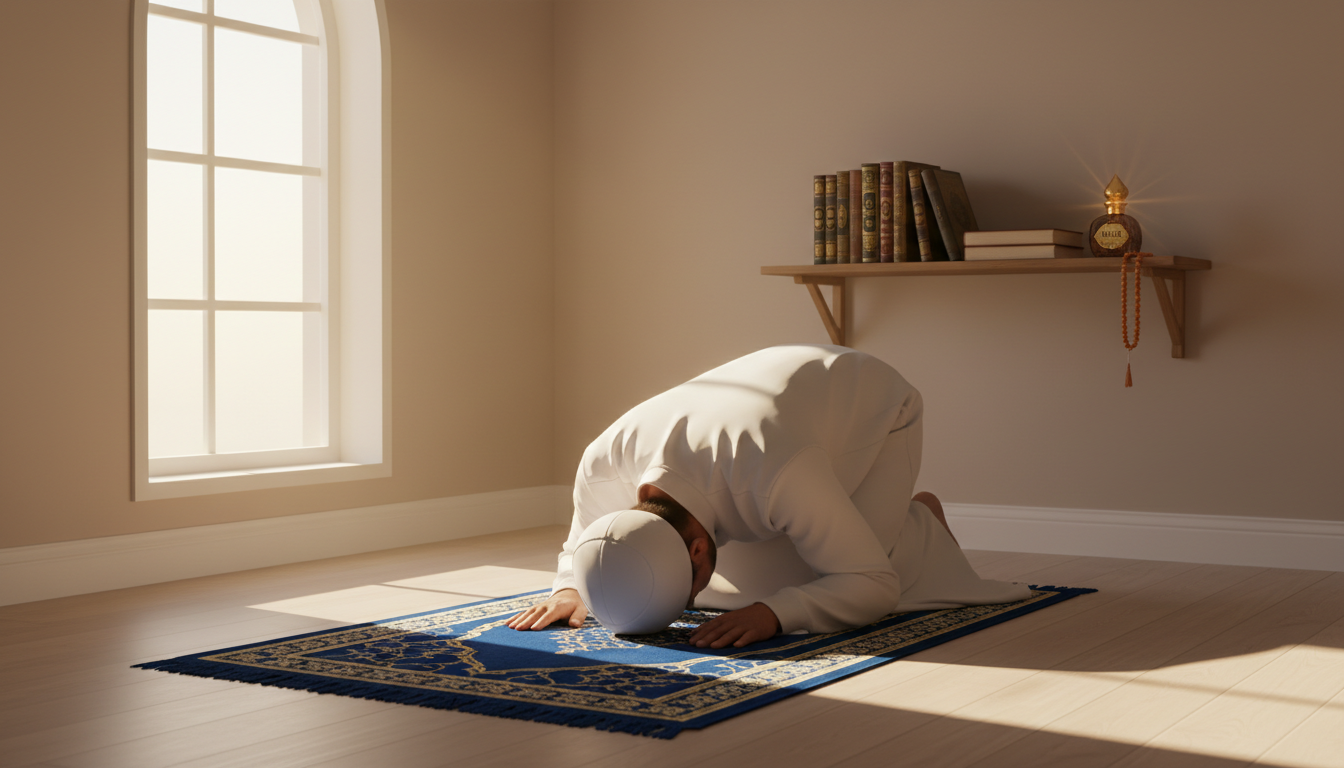
Salah is performed five times a day at specific times: Fajr (pre-dawn), Dhuhr (midday), Asr (afternoon), Maghrib (sunset), and Isha (night). Each prayer session involves a series of movements and recitations that are deeply spiritual and reflective.
The Importance of Salah
Prayer in Islam is not just a ritualistic practice but a profound act of devotion and connection with God. It provides Muslims with a way to seek guidance, express gratitude, and find spiritual solace. By performing Salah, Muslims reaffirm their faith and discipline.
Moreover, the regularity of prayer encourages mindfulness and discipline, fostering a sense of community as Muslims worldwide engage in this practice together.
Components of Islamic Prayer
Preparation
Before performing Salah, Muslims undertake a purification process called Wudu, which involves washing specific parts of the body. This ritual cleansing is essential for maintaining spiritual purity during prayer.
Movements and Recitations
The prayer involves a series of movements, including standing, bowing, prostrating, and sitting. Each movement is accompanied by specific recitations from the Quran, the holy book of Islam. These recitations are often in Arabic, the language of the Quran.

Understanding the Prayer Times
The five daily prayers are distributed throughout the day to ensure that Muslims maintain a constant connection with God. Each prayer has a specific window of time in which it can be performed, based on the position of the sun.
- Fajr: Before dawn
- Dhuhr: After midday
- Asr: Late afternoon
- Maghrib: Just after sunset
- Isha: Night
Conclusion
Understanding Islamic prayer is crucial for appreciating the daily lives of Muslims and the devotion involved in their spiritual practices. Whether you are exploring Islam or simply seeking to understand its traditions, recognizing the significance of Salah offers valuable insights into the faith.
Prayer is a powerful expression of faith and commitment, reflecting the core values of connection, discipline, and community inherent in Islam.